Trust
Someone experienced believed I could take responsibility even before I felt fully ready.
The founder’s story
From an old family harmonium, to more than 17 years of church music, to composing, teaching and building Emperor Keys—this is my journey.
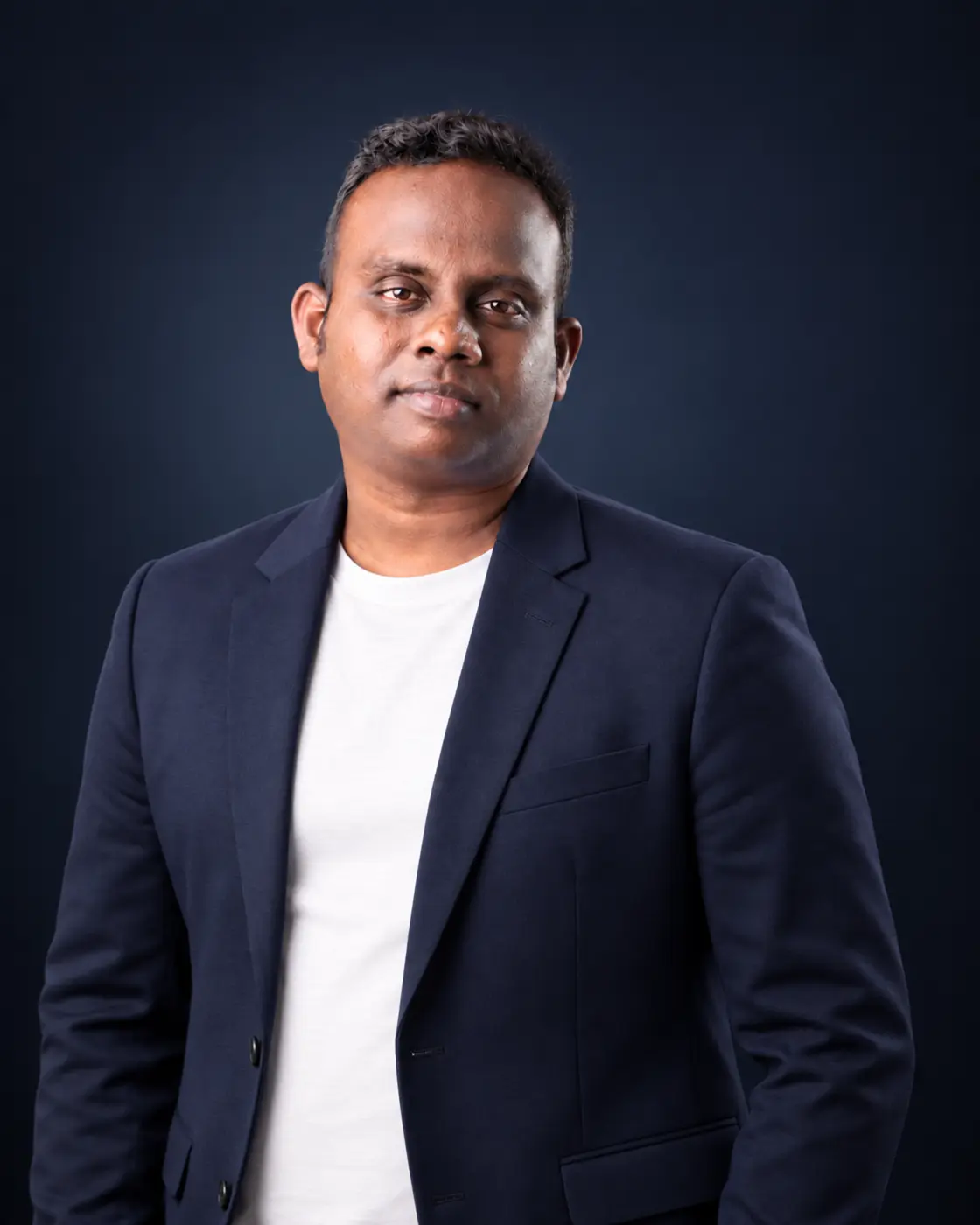
Where it began
I grew up in a Christian family where worship, songs and choir music were always around me.
At home, there was an old harmonium once played by my grandfather and uncles. It became my first instrument. I started with simple songs, one finger at a time. There was no big plan then—only listening, trying and slowly falling in love with music.

The turning point
I was already a chorister in our traditional Lutheran church in Mayiladuthurai. The organist serving there, Jonathan Jawahar Singh, was moving to another town because of his work. He affectionately called me “Thambi”—younger brother—and asked me to continue playing in his place.
He did not simply leave an instrument for me. He entrusted me with a responsibility he deeply cared about. That is how my journey as a church organist began.

Someone experienced believed I could take responsibility even before I felt fully ready.
Weekly worship taught me preparation, timing, consistency and respect for the order of service.
What began as a schoolboy’s responsibility became a musical journey that continued for more than 17 years.
The instrument
The instrument itself made the beginning difficult.
On top was the keyboard for the hands. Below was a pedal keyboard for the feet. I had to play treble with my hands and bass with my feet. Both hands and both legs had to coordinate—four limbs working together while I also followed the choir, congregation and worship order.
Those organs were made in India during an earlier period. After a few years, our organ gradually deteriorated. Later I moved to a regular electronic keyboard, but the organ years had already trained my coordination, listening and musical thinking in a way I never forgot.

My church chapter
For more than 17 years, the church became my real-world music school, rehearsal room and leadership training ground.
I first learned music from inside the choir—listening to parts, following conductors, understanding hymns, phrasing, ensemble balance and the discipline of singing together.
I learned to accompany worship, choirs and congregational singing; follow traditional service order; support singers; play organ-style music; and understand how accompaniment serves the whole group.
In later years I moved into choir leadership—teaching singers, preparing performances, conducting rehearsals and helping younger musicians grow.


What I taught
Beyond the notes
One unforgettable incident
I was probably studying in 10th standard when I travelled with my mother to Porayar for a Lutheran Women’s Federation programme.
A violinist aunty travelling with us had several things to carry, so she asked me to take her violin case upstairs to the church balcony. The service had already begun. As I climbed, I could hear the choir and accompaniment. The sound immediately caught my attention.

The inspiration
After that day, I became deeply inspired by Benjamin Durairaj’s playing. I listened, observed, practised and learned from his musical approach for years.
His accompaniment showed me that playing was not only about correct notes—it could have depth, movement, colour and expression.
I began trying to understand why good playing sounded good, instead of simply copying songs.
Looking back, that ordinary trip with my mother became one of the moments that ultimately influenced the musician and teacher I became.
The journey
I completed B.E. Civil Engineering in 2014 and M.E. Structural Engineering in 2016. But through all those years, music remained at the centre of my life.
As my playing and teaching grew, I was invited to perform in other churches and programmes in places including Chennai and Trichy. I was also asked to train choirs and institutions.
I taught keyboard and music offline for years and also experimented with building an offline academy. Not every attempt succeeded, but each one taught me how beginners struggle and how music can be explained more clearly.
I composed music for TV advertisements, events, title tracks and other projects in India and Qatar. During the FIFA World Cup period in Qatar, I composed the fan-made song Kun Shakiran, which received attention through television and radio there.
My journey later brought invitations from colleges and institutions including Madras Christian College, Loyola College, Chennai Institute of Technology, SRM institutions in Trichy and Bharathiyar College in Salem—as judge, speaker, performer or chief guest.
One thought became clear: what if students could learn keyboard online through structured pre-recorded lessons in Tamil? That idea became Emperor Keys in 2021.
Emperor Keys grew into structured courses, website and mobile learning, and IvanGPT—designed to help students learn clearly at their own pace.
Why I understand beginners
I was a schoolboy when a responsibility came to me. I struggled with the organ. I learned by listening, practising, making mistakes and continuing.
That is why I do not believe a beginner needs to know everything before starting. The right direction, a clear path and consistent practice can change a person’s musical life.
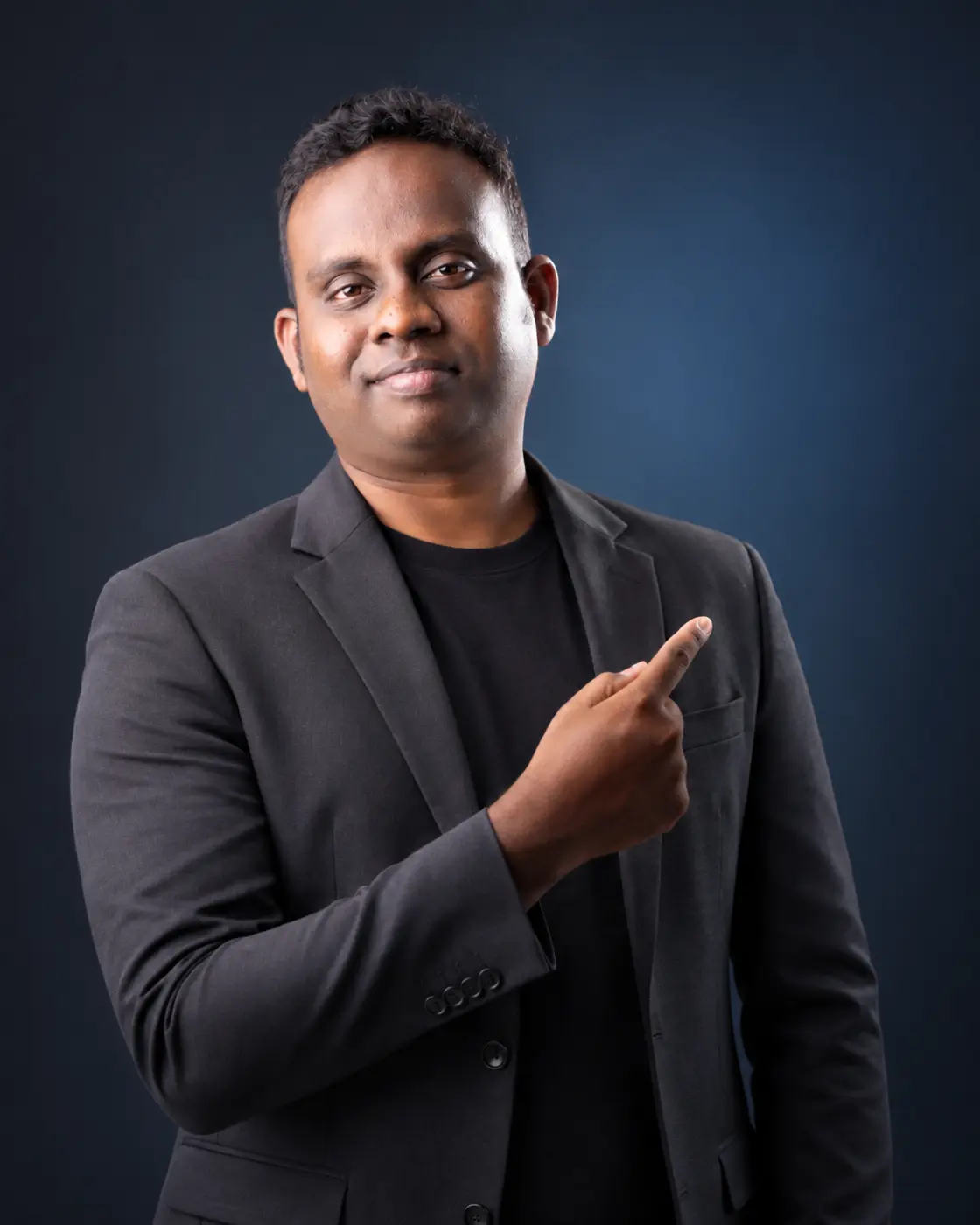
What success means
Today, more than 1,500 students are part of the Emperor Keys learning ecosystem.
Through workshops, classes, training programmes and educational events over the years, I have directly reached and trained more than 50,000 people. But the real goal is not the number. It is to help people perform, create, accompany, teach, guide and inspire others through music.
Create 1,00,000 music leaders.
Simple. Structured. Practical.
The Emperor Keys path
Join the 3-Day Keyboard Beginner Class.
Follow premium courses on website and app.
Get course and music guidance whenever questions arise.
Grow as a performer, teacher or producer.
I understand beginners
Start your keyboard journey through a simple Tamil class designed for complete beginners.
Join for ₹199